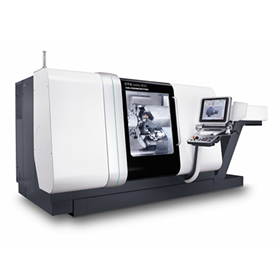
CTX-1250 beta linear
Technical data:
- CNC 3 axes
- Universal turning machine
- 635 mm longitudinal travel and 220 mm transverse feed
- Spindle boring 45 mm
- C axis- Driven tools
- Collet chucks from 2 to 42 mm or feed processing
- Tailstock
- Main drive 21 kW
- Bar advance
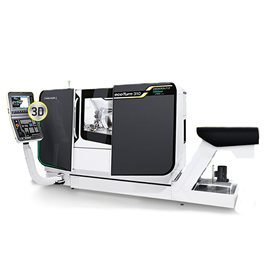
CTX eco Turn 310
Technical data:
- CNC 2 axes
- Universal turning machine
- Collet chucks from 2 to 42 mm
- Turning diameter max. 42 mm
- Turning length 180 mm
- Main drive 7.5 kW
- Chip conveyor
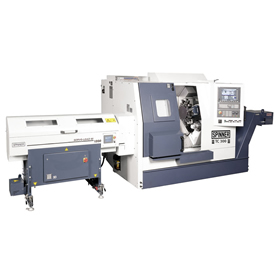
Spinner TC300-52-SMCY
Technical data:
- CNC 2 axes
- Universal turning machine
- Collet chucks from 2 to 42 mm
- Turning diameter max. 42 mm
- Turning length 180 mm
- Main drive 7.5 kW
- Chip conveyor
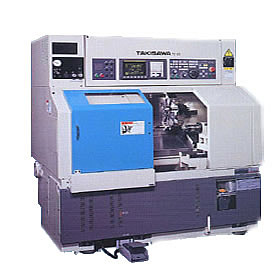
Takisawa TC20
Technical data:
- CNC 2 axes
- Universal turning machine
- Turning diameter max. 42 mm
- Turning length 307 mm
- Collet chucks from 2 to 42 mm
- Main drive 7.5 kW
- Tailstock
- Chip conveyor
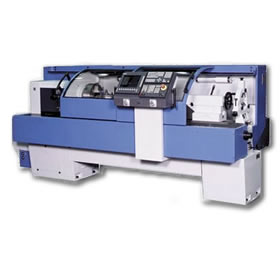
Cycle turning machine TUG 56
Technical data:
- Distance between centers 1500 mm
- Height of centers 320 mm
- Spindle bore 100 mm
- Max. diameter 420 mm
- Spindle speeds 10-3000 RPM
- Power 11 kW
- Siemens Sinumerik controller
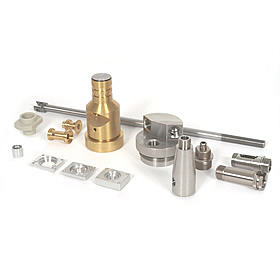
CNC turning and milling
Turning or turning and milling of various turned parts as well as materials such as:
- Titanium
- Stainless steel / Steel
- Brass
- Aluminum
- Plastic
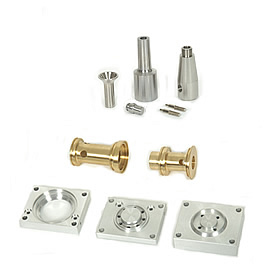
CNC turning
Complex turning parts with high surface quality for prototype build.
- Tolerances of +/- 0,01 mm
- Surface quality up to Rz 4
- High form accuracy
- Continuous quality assurance
Combined turning and milling with subsequent mechanical forming
Complete fabrication with different surface protective treatments:
- Painting
- Powder coating
- Chrome plating
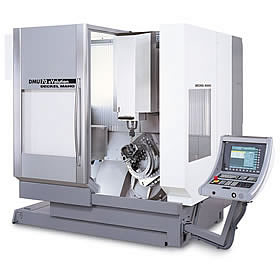
DMU 70 eVolution
Technical data:
- CNC universal milling and boring machine
- Simultaneous 5-axis/5-side processing
- Spindle speed up to 18000 RPM
- Length of travel: X/Y/Z 750 x 600 x 520mm
- Tool holder HSK 40
- NC turntable with NC pivoting axis
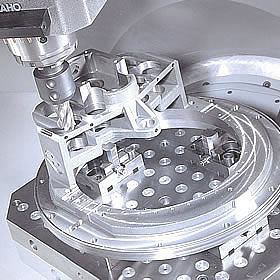
CNC 5-axis milling
Milling of different types of workpieces, some with complex workpiece holding, permits 5-axis machining without refixturing.
There are clear advantages here in the precision and speed of production.
High-tech perfection.
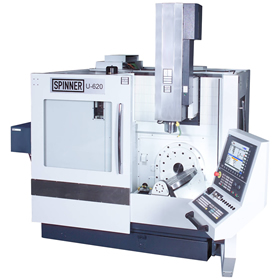
Spinner U-620
Technical data:
- Spindle speed up to 12,000 rpm
- Travel range X/Y/Z: 620 x 520 x 460 mm
- Tool holder: SK 40
- NC rotary table with NC swivel axis
- Tool capacity: 32 tools
- High-pressure coolant: 70 bar
- Control system: Siemens 840DE SolutionLine
- SHOPMILL step-by-step programming
- 3D simulation of the finished part
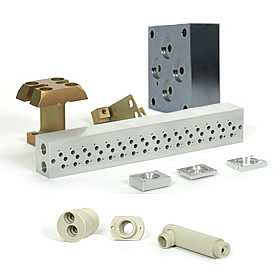
Milled parts in small and large production runs
Milling and boring of various parts and materials such as:
- Titanium
- Stainless steel / Steel
- Brass
- Aluminum
- Plastic
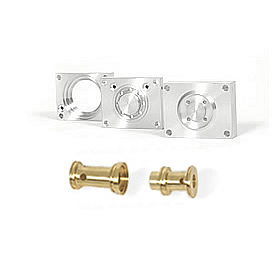
CNC turning and milling
For prototype fabrication various parts are turned and then formed in milling operations.
Precision and surface qualityare a prerequisite for our customers. Quality that we guarantee.
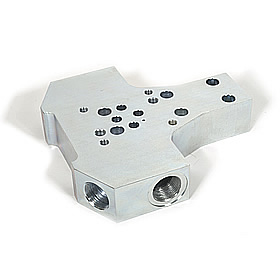
From cut blank to finished product
Milling of in-house parts in just two fixturings.
Economy that isimpressive.
Pricing that makes us competitive.
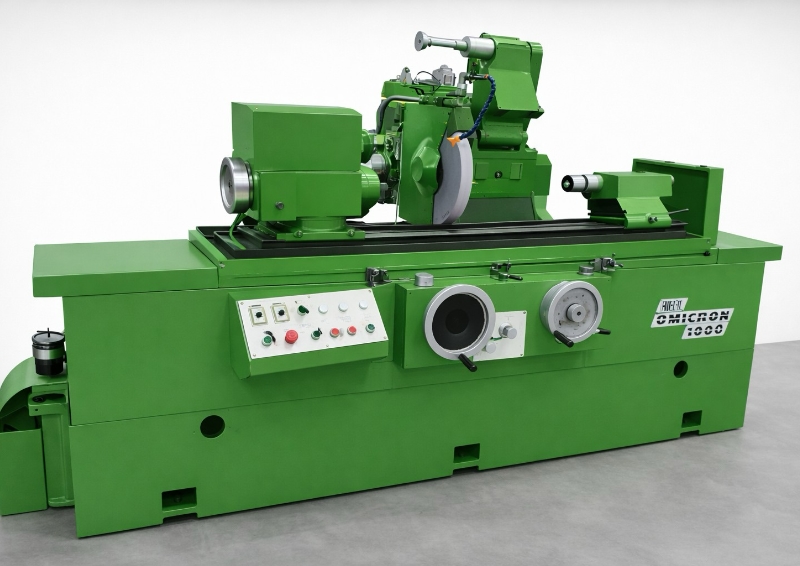
Cylindrical grinding machine
Omicron 1000 Fa.Robbi
Technical data:
- Distance between centers 1000mm
- Center height 160mm
- Speed 1450-1600U/min
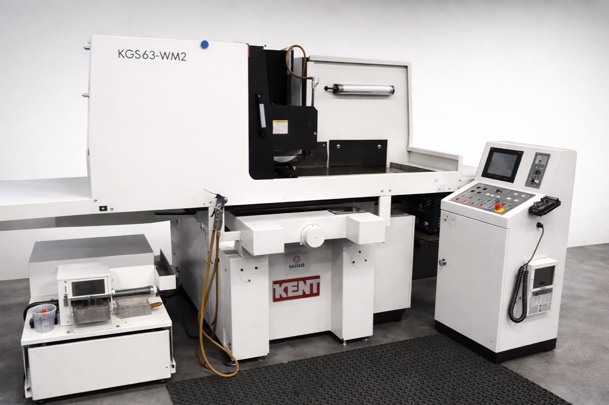
Surface grinding machine
KENT KGS63-WM2
Technical data:
- Grinding range 600x300mm
- Table load max. 420kg
- Speed 1450U/min
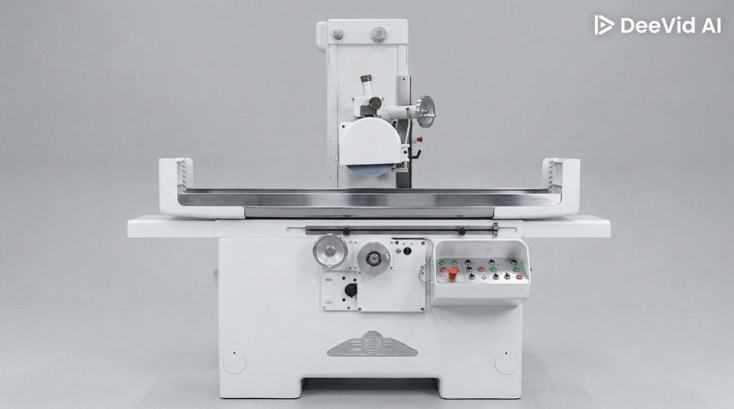
ELB Surface grinding machine
Technical data:
- Magnetic chuck 300x800mm
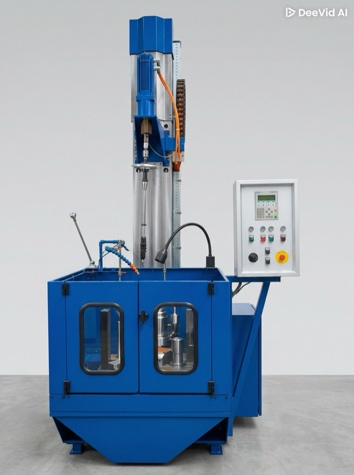
Honing machine
Technical data:
- Table size approx. 600x600mm
- Current maximum honing length approx. 600mm
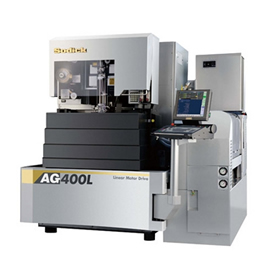
Sodick AG 400L (Wire erosion)
Technical Specifications:
- X / Y / Z axes 400 x 300 x 250 mm
- U / V axes 120 x 120 mm
- Z axis 250 mm
- Max. workpiece dimensions 750 x 500 x 270 mm
- Max. workpiece weight 400 kg
- Wire diameter 0.1 – 0.3 mm
- Wire tension 3 – 23 N
- Max. wire feed speed 420 mm/sec.
- Taper angle +/– 15°
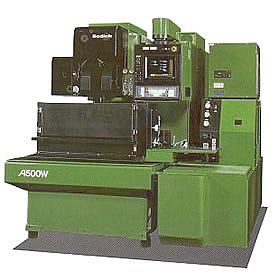
Sodick A500W (Wire erosion)
Technical Specifications:
- X / Y / Z axes 500 x 350 x 300 mm
- U / V axes 290 mm
- 5 controlled axes
- Max. workpiece dimensions 550 x 400 x 210 mm
- Max. workpiece weight 680 kg
- Wire diameter 0.1 – 0.3 mm
- Wire tension 3 – 23 N
- Max. wire feed speed 420 mm/sec.
- Taper angle +/– 15°
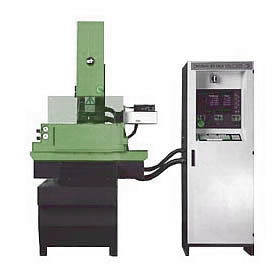
Sodick Start hole drilling unit
Technical Specifications:
- X / Y axes 200 x 200 mm
- U / V axes 80 x 80 mm
- Z axis 200 mm
- Max. workpiece dimensions 150 x 150 x 200 mm
- Max. workpiece weight 30 kg
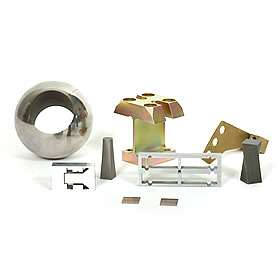
Wire erosion with milling
Wire erosion of various materials such as:
- Hardened materials
- Titanium
- Stainless steel / Steel
- Aluminum
- Copper
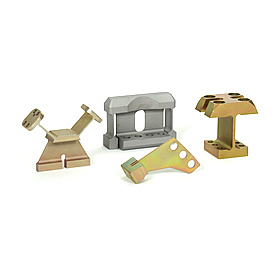
CNC milling followed by wire erosion, die sinking
Workpieces that can only be produced by wire erosion or die sinking methods such as:
- Hardened and nonhardened workpieces in sensor construction
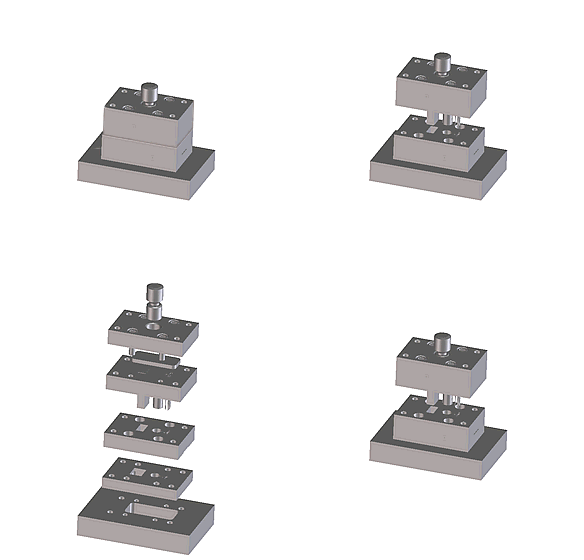
Modeling
From 3D model to production. Using progressive cuttingdies workpieces with complicated shapes can be produced in several steps of a processing sequence.
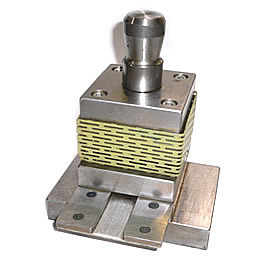
Cutting tool with guided punching
Sheet metal parts with complex shapes can be produced most economically at high volumes using a stamping tool.
- Tolerances of +/- 0,02 mm
- High shape accuracy
- Continuous quality assurance
- Short setup and production times
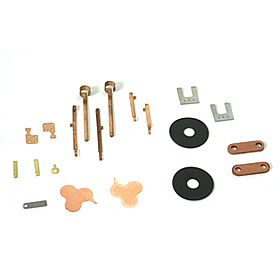
Overview of stamped parts
Stampings of various materials and shapes followed by mechanical forming processes that create the finished end product.
- Toolmaking and production from a single source
- Surface treatment upon request
- In-house tool repairs possible
- Short reaction times
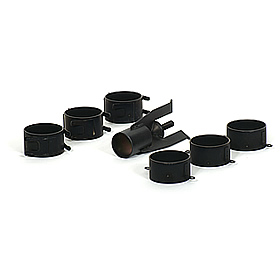
Complete from a single source
Complete production of turned and stamped parts to the welded end product with surface treatment.
- Mechanical design
- Production
- Consultation contacts
- Continuous quality assurance
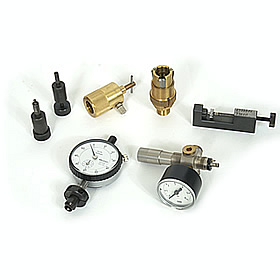
Measuring and assembly tools
Our in-house design and production capabilities yield a wide variety of high-quality tools.
- Mechanical design
- Production
- Assembly
- Continuous quality assurance
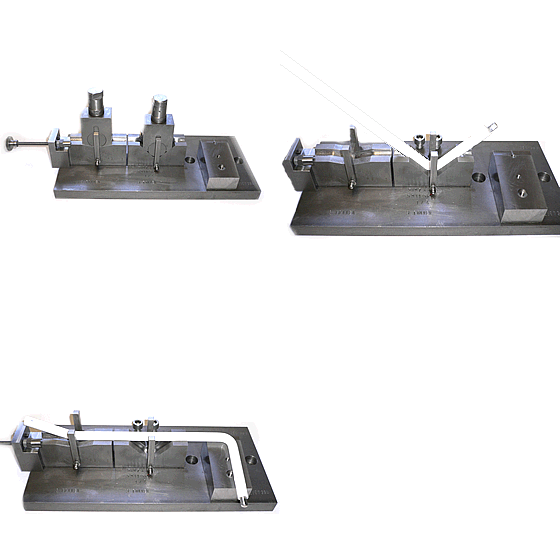
Bending tool for handle
Our cost-effective in-house production capabilities result in various tools that meet customer specifications.
- Test studies
- Tool fabrication
- Production of parts
- Continuous quality assurance
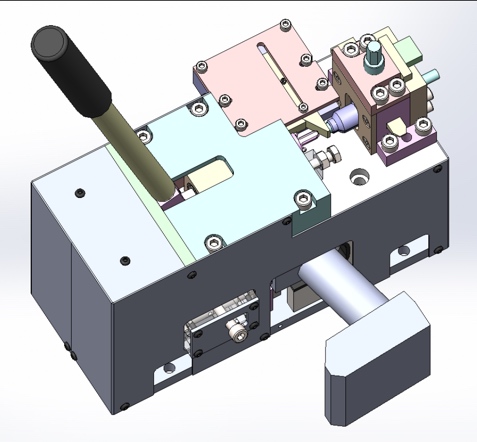
Flanging machine
In-house development of a flanging machine, born out of a customer's challenge: no compact, affordable flanging machine suitable for stainless steel was available on the market that met all the customer's requirements.
- Compact
- Portable
- Easy to use
- Fast, safe and efficient
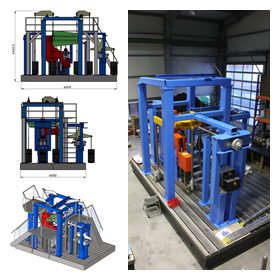
Calibration machine for wind tunnel balances
Production and assembly of a automatic calibration machine (aircraft scale) with production of all steel components.
Complete installation including simulations of the system in our premises in Biebesheim Germany.
Construction, assembly and commissioning of the 28t heavy equipment is carried out by our specialists at the end customer.
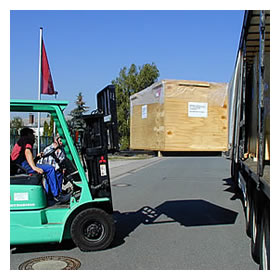
Customer service for assemblies
Global customer service is necessary for the global market, and it extends from component manufacture to assembly.
LLogistical support, test run and startup are included.
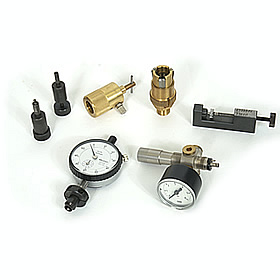
Measurement and assembly tools
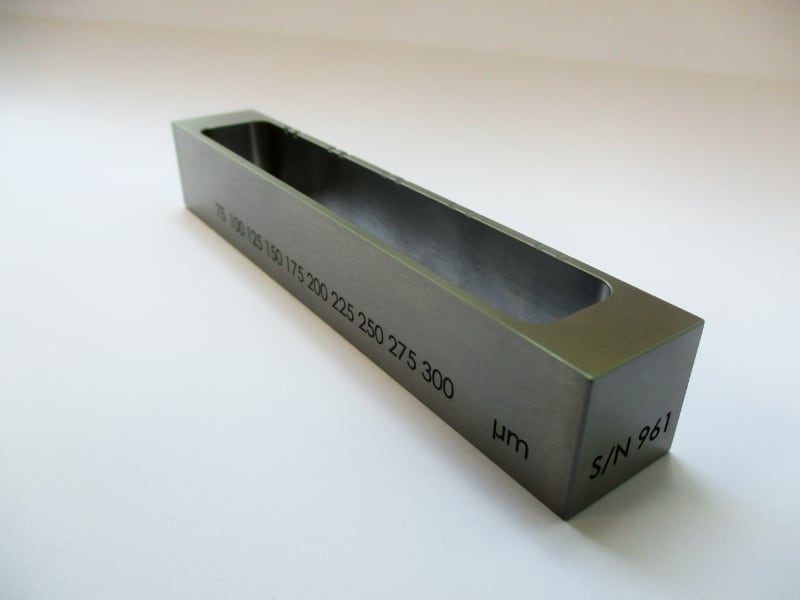
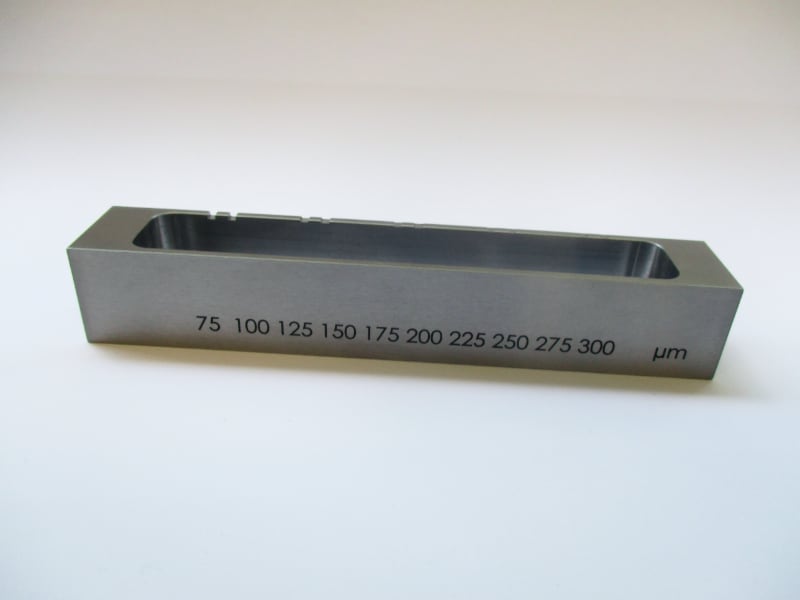
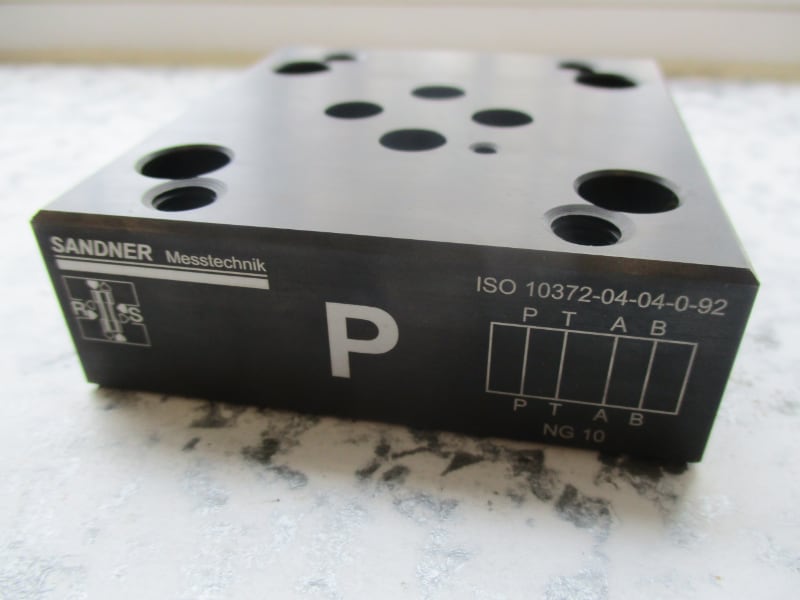
For niche markets and special builds involves assembly and production of assembly and measuring tools for commercial motor vehicles, dental equipment and equipment manufacturing.
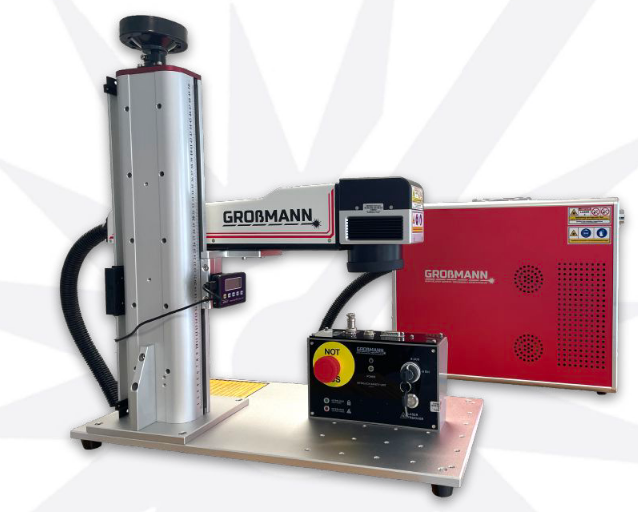
Technical Specifications of the Marking Laser:
- Class 4 laser
- Laser type: fiber laser / solid-state laser
- Available power: 30 W ±5
- Pulse width: 4 to 60 μs
- Marking area: 150 x 150 mm
- Max. workpiece height: 260 mm